


Periodontics Peoria, AZ
Periodontics refers to a dental field that focuses primarily on diseases and conditions affecting the gums and supporting tooth structures. Periodontists provide services in diagnosing, preventing, and treating patients with periodontal, gum, and other oral diseases. Periodontal treatment can greatly improve symptoms, reduce pain, and prevent further dental complications from arising.
Periodontal treatment is available at Westbrook Village Dental - Peoria in Peoria and the surrounding area. We can help curb symptoms and keep oral diseases under control. Call us today at (623) 201-4558 to schedule an appointment or learn more about our services.
Why Periodontics
Though many patients may have periodontal needs that a general dentist can manage, it is essential for patients with signs of periodontal disease to see a periodontist. Periodontists are dentists that specialize in preventing, diagnosing, and treating periodontal disease. They also specialize in placing dental implants and treating oral inflammation.
In addition to completing four years of dental school, periodontists must undergo three additional years of training to become familiar with the best practices for diagnosing and treating periodontal disease and performing cosmetic periodontal procedures. A trained specialist can best manage moderate to severe periodontal disease, along with more complex cases.
“Periodontists are dentists that specialize in preventing, diagnosing, and treating periodontal disease.”
Types of Periodontal Procedures
Periodontists offer a wide variety of procedures, including both hard tissue procedures and osseous procedures. Osseous procedures are any periodontal procedures that reduce bacteria underneath the gums. This process is also known as osseous surgery. During this treatment, Westbrook Village Dental - Peoria will also smooth down any areas of bone damage or bone irregularities. Periodontal regeneration techniques may also be necessary if the bone is severely damaged, and the gums will be sewn back together.
Periodontists may also choose to manipulate the hard tissue to remove bacteria from the pockets, thus stopping the spread of periodontal disease and infection. Thanks to modern technological advances, periodontists can perform such procedures via non-invasive laser periodontal therapy, which removes any inflamed gum tissue from around the tooth's root and tartar and plaque below and around the gumline.
“Periodontists offer a wide variety of procedures, including both hard tissue procedures and osseous procedures.”
Periodontal Disease
Gingivitis, the mildest form of periodontal disease, can cause the gums to bleed easily and become red and swollen. It is typically reversible with professional treatment and good oral hygiene. According to the American Academy of Periodontology, untreated gingivitis can easily develop into periodontitis.
Receding gums are common in the early stages of periodontitis, causing small pockets to form between the gums and the teeth. Moderate periodontal disease may also bring about bleeding and pain around the teeth, along with further gum recession. Teeth may also lose bone support and become loose. Finally, persons with advanced periodontal disease will see the connective tissue holding the teeth in place deteriorating, leading to tooth loss.
“According to the American Academy of Periodontology, untreated gingivitis can easily develop into periodontitis.”
Check out what others are saying about our dental services on Yelp: Periodontics in Peoria, AZ
Preventing Periodontal Disease
As mentioned above, if left untreated, periodontal disease can lead to gum recession and even tooth loss. Studies have also shown that gum disease may be linked to other systemic diseases, making it all the more important to maintain one's oral health. Fortunately, preventing periodontal disease is relatively easy.
The main way to prevent periodontal disease is to maintain a good oral hygiene routine. This involves brushing one's teeth at least twice a day, flossing nightly, and swishing with mouthwash. Those who are in at-risk groups should act accordingly and see a periodontist annually. A yearly comprehensive periodontal evaluation can assess one's gum health and ensure that patients are on the right track.
“The main way to prevent periodontal disease is to maintain a good oral hygiene routine.”
Questions Answered on This Page
Q. What are some examples of hard tissue procedures and osseous procedures?
Q. What happens as periodontal disease progresses?
Q. How can I prevent periodontal disease?
Q. What happens during periodontal surgery?
People Also Ask
Q. What are the signs of gum disease?
Q. Why is stopping infection from spreading important?
Periodontal Surgery
Patients with advanced periodontal disease may require periodontal surgery. This surgery involves removing the bacteria from beneath the gums, facilitating the cleaning of the teeth, reshaping the bones supporting the teeth, and helping prevent future gum damage. Depending on the patient's case, flap surgery, bone grafting, guided tissue regeneration, soft tissue grafts, or special proteins may be necessary.
In flap surgery, Westbrook Village Dental - Peoria makes a small incision into the gum and lifts back a part of tissue to remove tartar and bacteria from the tooth and underneath the gums. In contrast, bone grafting repairs any damage done to the bone surrounding the tooth root. Similarly, guided tissue regeneration stimulates bone regrowth by placing a small piece of material between the gum tissue and the bone. Soft tissue grafts help restore lost tissue, while special proteins can encourage healthy bone and tissue regeneration.
“Depending on the patient’s case, flap surgery, bone grafting, guided tissue regeneration, soft tissue grafts, or special proteins may be necessary.”
Frequently Asked Questions About Periodontics
Q. Will my insurance cover periodontal treatment?
A. While the answer to this question varies on a case-by-case basis, most dental insurance policies tend to cover periodontal treatment. For the most accurate possible answer, speak to your carrier directly. Do not forget to bring your medical and dental benefit information and cards to your appointment.
Q. Can my kids develop periodontal disease?
A. It is rare for children to develop periodontal disease, though it does sometimes occur (particularly in adolescents). In any case, it is essential for patients of all ages to learn the importance of keeping a good oral hygiene routine to keep periodontal disease at bay in the future.
Q. Are there any consequences to missing teeth?
A. Yes, missing teeth are more than just an aesthetic issue. The teeth surrounding the gap may shift, and it may be more difficult for you to chew your food properly or even affect the way you speak. As such, it is crucial to address missing teeth as soon as possible.
Q. What can I expect from my first periodontal examination?
A. During your first periodontal examination, you will undergo a thorough physical examination of your mouth. Along with other things, Westbrook Village Dental - Peoria will check the health of your gums, the status of your teeth, and the alignment of your bite. We may also perform certain imaging tests to make an accurate official diagnosis.
Q. What else can periodontists do?
A. While most periodontists spend most of their time diagnosing and treating gum disease, they can also perform various other procedures. These include placing dental implants when natural teeth cannot be saved, monitoring implants, correcting gum recession, and coordinating comprehensive dental care along with your dentist.

Scan here to view this page, Periodontics, on mobile



Periodontic Terminology
Call Us Today
Periodontal treatments can help prevent, curb, or treat periodontal disease and help you maintain a healthy oral cavity. Call us today at 623-201-4558 to schedule an appointment or learn more about our services.
Helpful Related Links
- American Dental Association (ADA). Glossary of Dental Clinical Terms. 2025
- American Academy of Cosmetic Dentistry® (AACD). Home Page. 2025
- WebMD. WebMD’s Oral Care Guide. 2025
About our business and website security
- Westbrook Village Dental – Peoria was established in 2002.
- We accept the following payment methods: American Express, Cash, Check, Discover, MasterCard, and Visa
- We serve patients from the following counties: Maricopa County
- We serve patients from the following cities: Peoria, Sun City, Glendale, Sun City West, and Cave Creek
- National Provider Identifier Database (1972711083). View NPI Registry Information
- Healthgrades. View Background Information and Reviews
- Norton Safe Web. View Details
- Trend Micro Site Safety Center. View Details

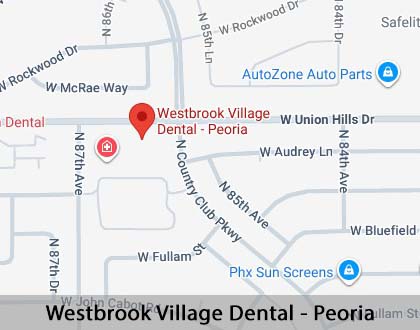
Scan here to open directions to Westbrook Village Dental - Peoria on mobile
Back to top of Periodontics
Related Posts

When Would My Dentist Recommend Periodontics?
Looking for information on periodontic care? Continue reading to learn about situations when a dentist might recommend periodontics. Periodontal disease, commonly known as gum disease, is a serious oral health issue that can result in severe oral infections and tooth loss. Periodontal disease may be contained and handled with the appropriate professional treatment.Gum disease can…

Effective Gum Disease Treatment Options Offered By General Dentists
Your general dentist can perform gum disease treatment. Early detection can lead to the possible success of the procedure. Discussing the right solutions to your gum infection often happens during the consultation. Here are the effective gum disease treatment choices from your general dentist.This deep cleaning technique reaches underneath the gumline. The general dentist must…

Preventing The Need For Gum Disease Treatment
Maintaining excellent oral health is essential to avoid gum disease treatment and its potential complications. Gum disease, or periodontal disease, is a common but preventable condition caused by plaque buildup on teeth and gums. Untreated gum disease can lead to gum inflammation, tooth loss, and even systemic health concerns. By adopting a proactive approach to…

How Gum Disease Treatment Can Improve Your Overall Health
You can get a gum disease treatment from your general dentist to target the cause and treat the symptoms. Non-invasive and invasive treatments are available to achieve the desired results. Studies reveal that healthy gums can enhance your general health. Understanding the effects of proper gum disease treatment on better whole-body wellness can motivate you…
Explore additional topics covered on our website:
Call Us Today

Scan here to call Westbrook Village Dental - Peoria on mobile