When Would My Dentist Recommend Periodontics?
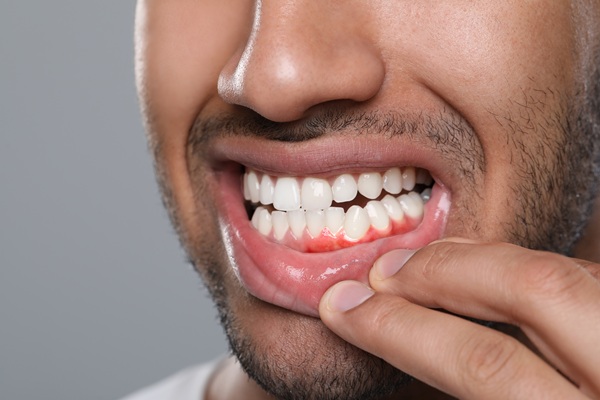
Looking for information on periodontic care? Continue reading to learn about situations when a dentist might recommend periodontics. Periodontal disease, commonly known as gum disease, is a serious oral health issue that can result in severe oral infections and tooth loss. Periodontal disease may be contained and handled with the appropriate professional treatment.
Inflamed or bleeding gums
Gum disease can contribute to bleeding or aching gums. The gums should not bleed when one cleans and flosses the teeth. Failure to brush and floss daily will encourage bacteria-produced dental plaque to accumulate and irritate the gums, causing them to become red, swollen, or sensitive, and prone to bleeding.
Plaque attacks the healthy structures around the teeth, ultimately destroying the fibers that hold the gum tissue to the teeth. Gums will eventually become inflamed and irritated, and they may bleed while brushing or flossing. This is the first stage of gum disease, which is known as gingivitis. The disease needs to be treated at this point to prevent it from worsening into periodontitis, which is advanced gum disease.
Gum recession
Gum disease usually starts in one region of the mouth and progresses from there. Gum recession in one region of the mouth must be handled as soon as possible to prevent gum disease from spreading throughout the mouth. Gum recession may also occur when a patient brushes too hard or too often in one place.
Recession can also be the result of bruxism (teeth grinding). Periodontic care should start immediately to prevent the recession and the resulting gum disease from worsening.
Persistent bad breath
Almost everyone has had bad breath at some point, and it is typically simple to fix with breath mints, mouthwash, or brushing. On the other hand, experiencing bad breath recurrently may be a sign of poor oral health caused by too much bacteria, tooth decay, or even gum disease. The unpleasant gases emitted by bacteria that cover the teeth, gums, and tongue are the most common cause of persistent bad breath.
Bone deterioration
Gum disease can lead to loose teeth and bone loss at its worst phase. This is a critical problem that must be tackled promptly to avoid tooth and bone loss. Scaling and planing, a deep cleaning technique, may be recommended by the dentist. They may also suggest tooth extraction for diseased teeth and strict infection control measures to prevent the disease from spreading further.
Tooth sensitivity
If pain occurs in the teeth after drinking hot or cold beverages, crunching on ice, or exposing them to cold air, one might be dealing with exposed tooth roots and thin tooth enamel. Gum recession or pocketing may also cause teeth to become unusually sensitive in some cases. The gums protect the tooth roots, which are not protected by enamel. Since the dentin has tiny tunnels that relay information directly to the nerves within your teeth, it can be very unpleasant and painful when those roots are exposed.
Schedule a consultation at our Peoria office
If you are experiencing any of the symptoms listed above, you may benefit from periodontics. Do you have questions for the Westbrook Village Dental - Peoria team? Contact our Peoria dental office today to set up a consultation.
Request an appointment here: https://westbrookvillagedental.com or call Westbrook Village Dental - Peoria at (623) 876-1777 for an appointment in our Peoria office.
Check out what others are saying about our dental services on Yelp: Periodontics in Peoria, AZ.
Related Posts
Finding an emergency dentist on short notice provides immense relief when sudden oral pain or an unexpected dental injury disrupts daily routines. From severe toothaches to infections, these abnormal symptoms warrant prompt professional attention to prevent further complications. Therefore, whether you maintain routine appointments or this is your first dental appointment in a while, our…
Your general dentist may suggest a gum disease treatment to enhance oral health. Preparing well for this visit is necessary. Part of getting ready is knowing what to avoid doing. Below are some things you must not do during your gum disease treatment.After the gum disease treatment, the dentist will share some aftercare instructions. One…
Wondering about your cosmetic dentistry options? Read on to learn more. An appealing smile makes an individual feel good about themselves and can build a sense of self-image. One way to get that dream smile is to visit a general dentist. Many of these dental health professionals offer diverse solutions such as whitening and veneers…
A cosmetic dentist specializes in improving the appearance of your teeth. This dental professional offers a variety of services that can help enhance your smile and boost your confidence. Each of these cosmetic services can help you achieve the confident and beautiful smile you desire.One of the most popular treatments provided by a cosmetic dentist…