Dental Filling for a Cavity
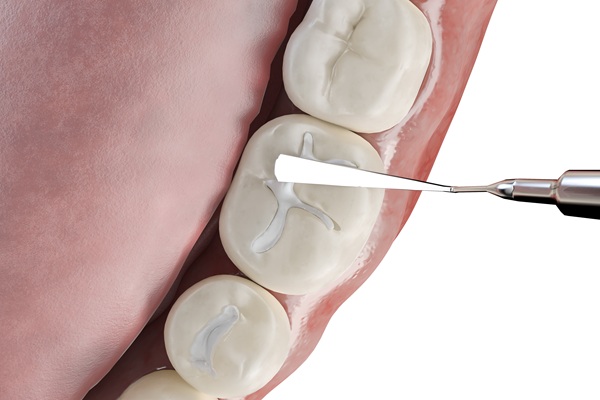
A dental fillings is indispensable when it comes to teeth restoration. It can fill the cracks and cavities that dental decay has left on your tooth. While getting fillings is an easy procedure, some find it taxing, especially when there is hearsay about drills and scraping. If you want to understand what happens when you get a dental filling for your cavity, here are the facts.
The procedure
When the patient sees the dentist for a dental filling, the dentist will assess the patient’s oral condition. Dental X-rays may be necessary to complete this exam. Talking about the procedure is part of the assessment. Once the dentist is clear about the patient’s dental condition, the treatment will start.
To prevent any pain or discomfort, the dentist will numb the gums, teeth, and surrounding tissue. The teeth that have severe damage from tooth decay will be the first ones to receive fillings. The dentist will drill out the dead or decayed parts of the tooth. Then, a thorough cleaning will follow. After, the dentist will place the filling inside the prepared cavity. Polishing the filled tooth comes last.
The entire process of filling the cavity takes only a few minutes. Once the dentist is finished, the patient’s mouth will be numb for a few hours more. The patient may not feel like eating or drinking anything after the procedure. Communicating with the dentist will help monitor the patient’s filled tooth. It will also help answer any of the patient’s questions or treat any complication that may arise.
The available fillings
Access to different types of fillings depends on what the patient’s insurance can cover, the patient’s preference, and the cost. Usually, a dental clinic has composite resin, gold, porcelain, glass, and silver amalgam. Each type of filling has different traits. The most common fillings are composite resin and silver amalgam.
Gold fillings are expensive. Even so, people choose them because of the aesthetic value. With proper care, gold fillings can last for 10-15 years. Silver amalgam is optimal for filling the molars, which do all the chewing.
Composite resin and ceramic fillings are in high demand because of their ability to blend with natural teeth. The only difference is that ceramics are almost as expensive as gold fillings. Glass ionomer is a blend of glass and acrylic. Although less durable than other fillings, glass ionomer fillings release fluoride that protects teeth.
Replacing a dental filling
A dental filling can last for years. Yet, with constant chewing, fillings wear down and need replacement. People who clench or grind teeth constantly tend to have filling replacements earlier. As soon as cracks appear on the filling, a visit to the dentist is an order. A damaged dental filling may cause more damage to the tooth and may need more expensive treatments.
With proper care, a dental filling can be a long-term cavity solution
Getting a dental filling can lengthen the life span of your tooth. It does not matter what type of dental filling you have, as long as you take good care of it. Proper maintenance of your dental filling can ensure that your dental cavity will not get worse. This ensures your complete oral health.
Are you considering getting a dental filling in the Peoria area? Get more information at https://westbrookvillagedental.com.
Check out what others are saying about our dental services on Yelp: Dental Fillings in Peoria, AZ.
Related Posts
Maintaining excellent oral health is essential to avoid gum disease treatment and its potential complications. Gum disease, or periodontal disease, is a common but preventable condition caused by plaque buildup on teeth and gums. Untreated gum disease can lead to gum inflammation, tooth loss, and even systemic health concerns. By adopting a proactive approach to…
You can get a gum disease treatment from your general dentist to target the cause and treat the symptoms. Non-invasive and invasive treatments are available to achieve the desired results. Studies reveal that healthy gums can enhance your general health. Understanding the effects of proper gum disease treatment on better whole-body wellness can motivate you…
Gum disease is a common oral health issue that can wreak havoc on the mouth if left untreated. Early detection and appropriate treatment can prevent severe complications, including tooth loss and systemic health concerns. Understanding the options for gum disease treatment can help patients make informed decisions about their oral health care.Gum disease, or periodontal…
An implant crown restores chewing, speech, and smile balance, yet its longevity depends on daily care and smart habits. Unlike a natural tooth, the crown will not decay, but the surrounding gums and bone can develop inflammation called peri-implantitis. This condition weakens support and risks failure. However, consistent home care and routine professional maintenance help…