

Dental Implants Peoria, AZ
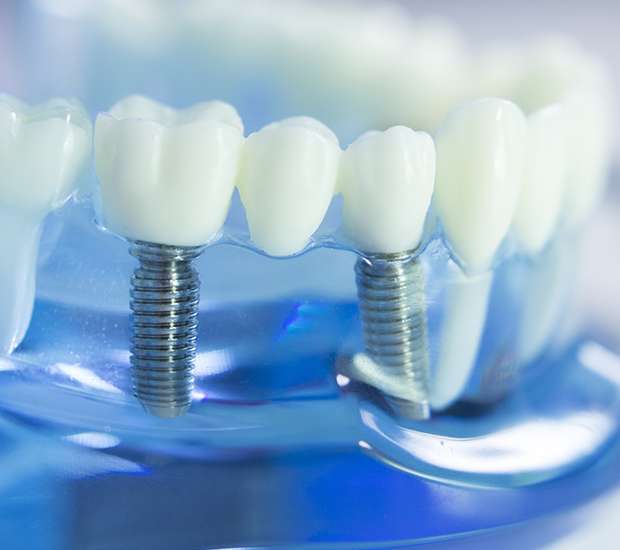
There are several dental solutions for people facing tooth loss. Dental implants are an effective procedure for people who need one or more replacement teeth. This procedure involves inserting small metal posts into the jawbone and attaching an artificial tooth to each post.
This procedure is highly popular since implants look and feel natural. With proper care, many patients can keep their implants for the rest of their lives. Dental implants are available at Westbrook Village Dental - Peoria in Peoria and the surrounding area. Call us at (623) 201-4558 to schedule an appointment.
The Dental Implant Process
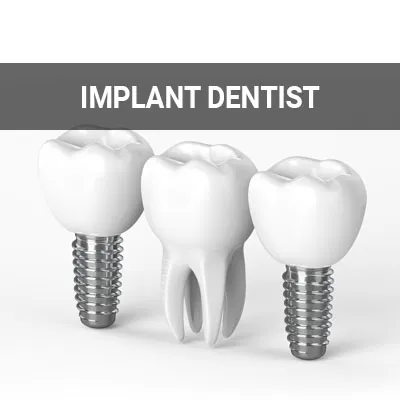
Dental implants act as artificial tooth roots to support new replacement teeth. During the procedure, an incision is made in the patient's gum to expose the bone where the implant will be placed. We will then insert the implant and suture the gum around the implant post. In some cases, a temporary denture is used instead of replacement teeth.
Following the surgery, the bone needs to heal around the dental implant. This process can take several weeks or months. Once it is sufficiently strong, a dentist can fit the permanent replacement teeth. According to the Mayo Clinic, some extra steps may be necessary. For patients with weak jawbones, a bone graft may be needed to ensure sufficient strength. After the bone has healed, an abutment connects a crown or dentures to the dental implant.
“Dental implants act as artificial tooth roots to support new replacement teeth.”
How To Care for Dental Implants
Caring for dental implants is very similar to caring for natural teeth, especially if the replacement teeth are permanent. Brushing, flossing, and rinsing with mouthwash is necessary for maintaining proper oral hygiene with implants. Getting regular checkups and teeth cleanings at the dentist are important for taking care of replacement teeth.
Dental implants may require extra cleaning to keep them in optimal condition. Removable, implant-supported dentures should be taken out at night and soaked in a denture solution. Patients can also use an oral irrigator to help clean below and around the dental implants.
“Caring for dental implants is very similar to caring for natural teeth, especially if the replacement teeth are permanent.”
What To Expect After the Dental Implant Procedure
It is normal to experience some soreness and swelling at the implant site following the procedure. We recommend patients apply an ice pack for the next couple of days to reduce swelling. Patients can manage pain with a prescription or over-the-counter painkillers and may also receive antibiotics to prevent postoperative infections. Patients who experience swelling or significant pain that persists for more than a few days after the surgery should contact their dentists.
While the site heals, patients should eat soft foods and avoid chewing on the implant. Dentists often use self-dissolving stitches that usually fall out in seven to 10 days. In some cases, when non-dissolving sutures are required, another appointment is needed to remove them in 10 to 14 days. Following post-care instructions will aid the healing process.
“Following post-care instructions will aid the healing process.”
Check out what others are saying about our dental services on Yelp: Dental Implants in Peoria, AZ
Benefits of Dental Implants
Dental implants can be a good choice for many patients with missing teeth. Dental implants allow new teeth to feel, look, and function naturally. Here are some key benefits of dental implants:
- Comfortable: Dental implants act as tooth roots and stay firmly in place. This firm foundation makes them more comfortable than dentures and other replacement tooth options. Many patients report that implants feel similar to their natural teeth.
- Functional: The stability of implants makes them effective for eating, talking, and cleaning. They function similarly to the teeth they are replacing. Less permanent options may interfere more with daily life.
- Permanent: Dental implants are one of the most permanent tooth replacement options. They can last a lifetime with good care. Additionally, fixed replacement teeth on implants do not need to be removed every day for cleaning.
- Natural-looking: Implant-supported replacement teeth look like natural teeth. The visible part of the dental implant is a cosmetic crown made from a composite material that is color-matched to the patient’s tooth enamel. It can be hard to tell the difference. Many patients enjoy dental implants’ aesthetic appeal, as others cannot tell the difference between the replacement and natural teeth.
“Dental implants allow new teeth to feel, look, and function naturally.”
Questions Answered on This Page
Q. What happens during the dental implant process?
Q. How to take care of dental implants?
Q. What are the benefits of dental implants?
Q. What happens after the dental implant procedure?
People Also Ask
Q. What is the most durable option for replacing missing teeth?
Q. What does the implant recovery process look like?
Q. Why are dental implants a great restorative option for most people?
Frequently Asked Questions
Q. How long does it take to insert dental implants?
A. The entire process, from initial consultation to the end, can take several months. The dental implant procedure usually takes an hour or less. This process can take longer, depending on the location of the site and the number of implants.
Q. What should I do if the dental implant gets chipped or cracked?
A. Typically, the crown attached to the implant can become damaged. A dentist can replace the crown. Patients should make an appointment with their implant dentist as soon as possible.
Q. Can I get implants if I have full or partial dentures?
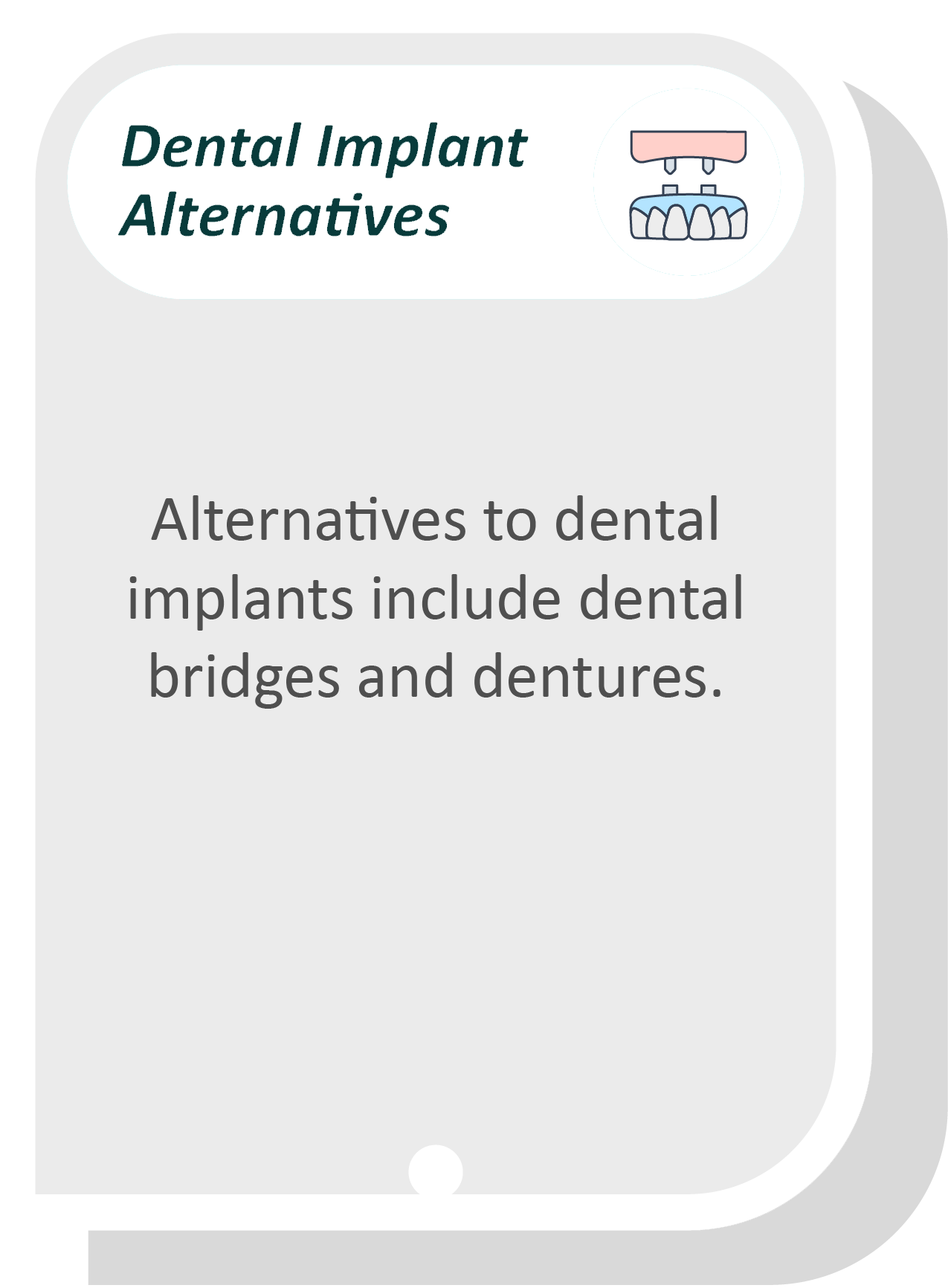
A. Implants can serve as a base to attach permanent or removable dentures. Patients needing full or partial teeth replacements often find implant-anchored bridges more comfortable than other options. Implants can provide patients with additional stability and comfort.
Q. Is it likely I will have an allergic reaction to the materials in the implants?
A. Implant posts usually consist of a titanium alloy. A 2019 study found that titanium allergies are less common than other metal allergies. If patients have any concerns, they may have allergy testing done before getting implants.
Q. How soon can I return to work after getting dental implants?
A. Most people can resume normal functioning the next day. Some common side effects include gum and skin bruising, facial and gum swelling, and minor bleeding and pain. Dental professionals also recommend avoiding heavy lifting for 48 hours after the procedure.

Scan here to view this page, Dental Implants, on mobile

Dental Implant Terminology
Call Us To Learn More About Dental Implants
Dental implants closely imitate the form and function of natural teeth. If you are missing teeth, this may be the solution for you. Call (623) 201-4558 to set up an appointment at Westbrook Village Dental - Peoria and learn more about this procedure.
Helpful Related Links
- American Dental Association (ADA). Glossary of Dental Clinical Terms. 2025
- American Academy of Cosmetic Dentistry® (AACD). Home Page. 2025
- WebMD. WebMD’s Oral Care Guide. 2025
About our business and website security
- Westbrook Village Dental – Peoria was established in 2002.
- We accept the following payment methods: American Express, Cash, Check, Discover, MasterCard, and Visa
- We serve patients from the following counties: Maricopa County
- We serve patients from the following cities: Peoria, Sun City, Glendale, Sun City West, and Cave Creek
- National Provider Identifier Database (1972711083). View NPI Registry Information
- Healthgrades. View Background Information and Reviews
- Norton Safe Web. View Details
- Trend Micro Site Safety Center. View Details

Scan here to open directions to Westbrook Village Dental - Peoria on mobile
Back to top of Dental Implants
Related Posts
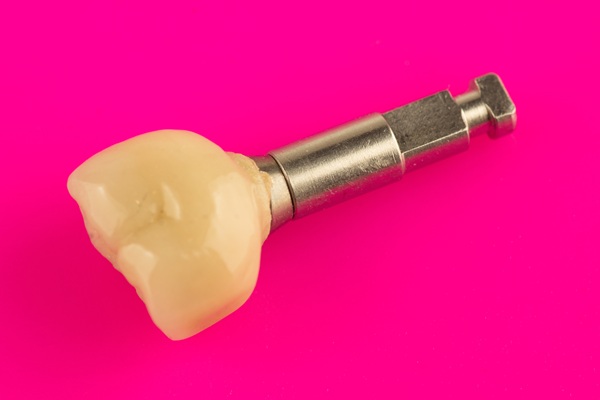
How To Make An Implant Crown Last
An implant crown restores chewing, speech, and smile balance, yet its longevity depends on daily care and smart habits. Unlike a natural tooth, the crown will not decay, but the surrounding gums and bone can develop inflammation called peri-implantitis. This condition weakens support and risks failure. However, consistent home care and routine professional maintenance help…

How Gum Disease Treatment Can Improve Your Overall Health
You can get a gum disease treatment from your general dentist to target the cause and treat the symptoms. Non-invasive and invasive treatments are available to achieve the desired results. Studies reveal that healthy gums can enhance your general health. Understanding the effects of proper gum disease treatment on better whole-body wellness can motivate you…
A General Dentist’s Guide To Gum Disease Treatment
Gum disease is a common oral health issue that can wreak havoc on the mouth if left untreated. Early detection and appropriate treatment can prevent severe complications, including tooth loss and systemic health concerns. Understanding the options for gum disease treatment can help patients make informed decisions about their oral health care.Gum disease, or periodontal…
A Comprehensive Guide To Gum Disease Treatment
Your general dentist will choose the right gum disease treatment for your situation. A full assessment will determine if you need surgical or non-surgical solutions. Understanding the processes is a good way to prepare for your appointment. Here is a comprehensive guide to your possible gum disease treatment.Studies show that most patients prefer a non-surgical…
Explore additional topics covered on our website:
Call Us Today

Scan here to call Westbrook Village Dental - Peoria on mobile